Pitch-Perfect Presentations: Evaluating the Plastic Bottle 3D Mockup Template Bundle
In packaging design, the gap between a digital concept and a tangible product can feel vast. Clients and stakeholders often struggle to visualize how a flat label will interact with a curved, translucent, or reflective surface. This is where a high-quality Plastic Bottle 3D Mockup Template Bundle becomes an essential bridge. It provides designers with a structured, hyper-realistic environment to present their artwork with professional polish. But is it always the right choice? Understanding the practical utility of these bundles, their comparative advantages, and their situational tradeoffs is key to making an informed decision that elevates both your workflow and your final presentation.
Deconstructing the Bundle: What Makes It Distinct
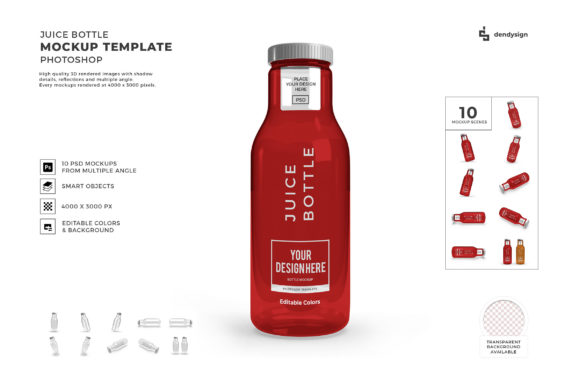
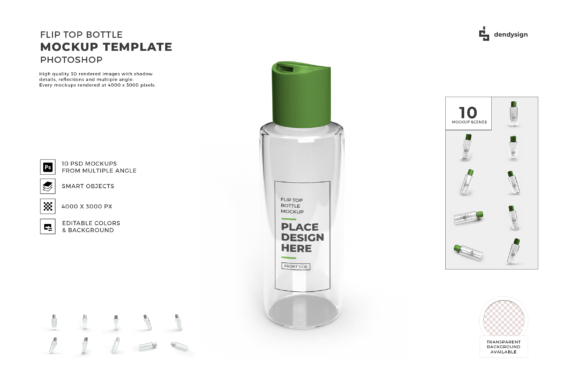
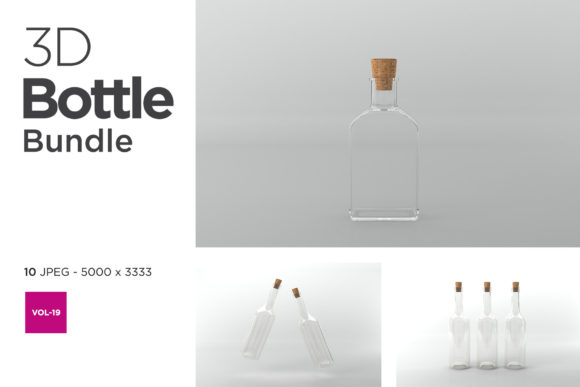
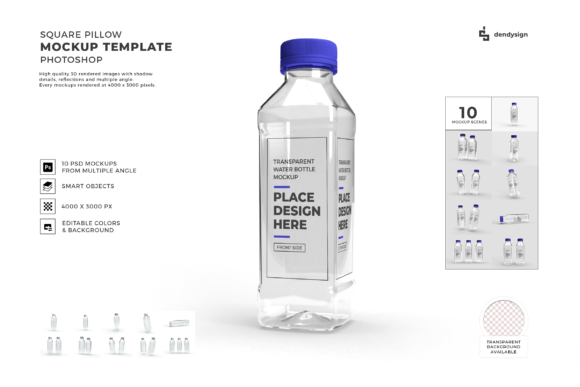
A top-tier bundle goes far beyond a single layered file. It typically offers a curated selection of PSD or AI templates featuring diverse bottle geometries—cylindrical Boston rounds, contoured sports flasks, sleek toiletry bottles, and various cap styles such as flip-tops, sprayers, and screw caps. What truly distinguishes a premium Plastic Bottle 3D Mockup Template Bundle from a generic template is the fidelity of the 3D rendering. These files include physically accurate lighting, realistic subsurface scattering for translucent plastics, and nuanced environmental reflections. Instead of simply pasting a label onto a flat surface, you are placing it into a pre-lit, cinematic scene. This allows for control over depth of field, shadow softness, and even the studio backdrop, giving a single design multiple market-ready contexts without reshooting or re-rendering.
Comparative Analysis: Mockup Bundles vs. Real-World Alternatives
Choosing the right presentation method involves balancing fidelity, speed, and control. Here is how a specialized bundle compares against common alternatives.
Physical Photoshoot: Unmatched Realism, Significant Investment
There is no substitute for a photograph of the actual product. A physical shoot captures the exact texture of the plastic, the clarity of the liquid inside, and the organic imperfections that make a product feel real. However, the cost and time implications are substantial. A single revision to a label requires reprinting, re-applying, and potentially re-staging the entire shot. The Plastic Bottle 3D Mockup Template Bundle offers a distinct advantage in iterative speed. Changing a design for client feedback takes minutes, not days. The tradeoff is clear: if your product has a highly irregular geometry, a unique tactile finish, or requires an exact molecular-level reflection, a physical shoot remains indispensable. For the vast majority of standard packaging projects, the digital bundle offers 90% of the visual impact at a fraction of the cost and logistics.
DIY 3D Modeling: Total Creative Freedom, High Skill Barrier
Software like Blender or Cinema 4D gives a designer absolute control. You can model a custom bottle shape, simulate liquid dynamics, and craft lighting from scratch. However, achieving a photorealistic plastic material requires deep knowledge of shaders, roughness maps, and global illumination. The learning curve is steep, and the time investment for a single high-quality render can easily span days. The Plastic Bottle 3D Mockup Template Bundle effectively democratizes 3D presentation. It removes the technical barrier, allowing a designer with intermediate Photoshop skills to produce results comparable to a junior 3D artist. The limitation here is creative dependency. You are restricted to the angles, lighting setups, and bottle shapes provided. For a brand whose identity hinges on a distinctive, unconventional bottle silhouette (e.g., an angled base or a complex ergonomic grip), a custom 3D approach is likely the better long-term investment.
Online Mockup Generators: Speed for the Masses, Generic Output
Web-based tools offer rapid results with minimal effort, making them popular for quick social media posts or internal drafts. However, they often sacrifice distinctiveness for convenience. The lighting is uniform, the reflections are flat, and the overall look carries a generic, "template" feel that can undermine client confidence in a packaging proposal. A professional bundle excels here by offering granular control over scene composition and material nuances. The tradeoff is in accessibility and workflow integration; a PSD-based bundle requires a working knowledge of layer management and smart objects, whereas a web generator does not. For high-stakes client presentations where differentiation matters, the added complexity of the bundle yields a far stronger return.
Strengths: Consistency, Speed, and Client Trust
A key advantage of using a cohesive Plastic Bottle 3D Mockup Template Bundle is maintaining visual consistency across a full product line. Using the same lighting environment and camera settings for a shampoo, conditioner, and body wash creates a coherent brand shelf that looks professional and intentional. For client pitches, photorealistic mockups build instant credibility. A well-executed presentation often secures approval without the need for a costly sample production run. This speed translates directly into business efficiency—faster revisions mean faster project cycles.
Limitations: The Hidden Costs of Convenience
There are two significant concerns to weigh. First, resource intensity. High-end bundles are often massive files, containing hundreds of grouped layers and 4K+ pixel dimensions. They require a robust computer with ample RAM and a dedicated GPU to run smoothly. Second, the customization ceiling. While you can change colors, labels, and backgrounds, you cannot fundamentally alter the bottle’s anatomy. If the plastic texture needs a specific matte finish with a micro-texture, or the bottle features an intricate embossed pattern, the template may feel restrictive. It is designed to communicate a type of bottle (e.g., a standard PET cylinder) rather than a unique character. Recognizing when a template communicates a generic look versus a specific brand asset is a crucial professional skill.
When the Bundle is the Ideal Choice
- Early-Stage Concept Pitching: Presenting three different label directions across five bottle sizes in a single meeting is a breeze with smart object swapping.
- E-Commerce and Retail Catalogs: For Amazon A+ content or brand storefronts, consistent, high-converting product imagery across dozens of SKUs is essential. The bundle delivers this at scale.
- Beverage and Personal Care Industries: These sectors rely heavily on standardized bottle forms—round, oval, or cylindrical—making them ideal candidates for template-based rendering.
When to Consider Another Route
- Highly Unique or Complex Geometry: If the bottle design is a core part of the innovation (e.g., a patented ergonomic water bottle), a template cannot showcase its true design intent.
- High-Investment, Single-Image Campaigns: For a flagship product launch image destined for billboards, the incremental value of a custom photoshoot or 3D sculpture often justifies the expense.
- Need for Imperfection: If the goal is to show exact manufacturing details, such as injection molding seams or specific cap threading, a template’s idealized render will be insufficient.
Making a Final, Informed Choice
Evaluating a Plastic Bottle 3D Mockup Template Bundle requires viewing it not as a one-size-fits-all solution, but as a specialized tool within a broader ecosystem. To choose wisely, consider these factors:
- Layer Hygiene: Are the smart objects and adjustment layers clearly named and logically grouped? This directly impacts your editing speed.
- Lighting Versatility: Does the bundle offer soft studio light, dramatic side light, and natural daylight? Variety allows you to match different brand moods.
- Geometric Range: Does it cover the specific bottle types you most frequently design, such as Boston rounds, flask shapes, or spray bottles?
- Licensing Terms: Ensure the bundle grants royalty-free commercial rights for client work, including high-volume print and digital use.
The upfront cost of a premium bundle is often offset by the first major client revision it helps you execute smoothly. It acts as a strategic efficiency tool, freeing your time for deeper creative problem-solving rather than technical rendering troubleshooting. For the professional designer navigating the demands of modern packaging projects, a well-chosen bundle is not a shortcut—it is an asset that delivers consistent, high-stakes results when matched to the right job.